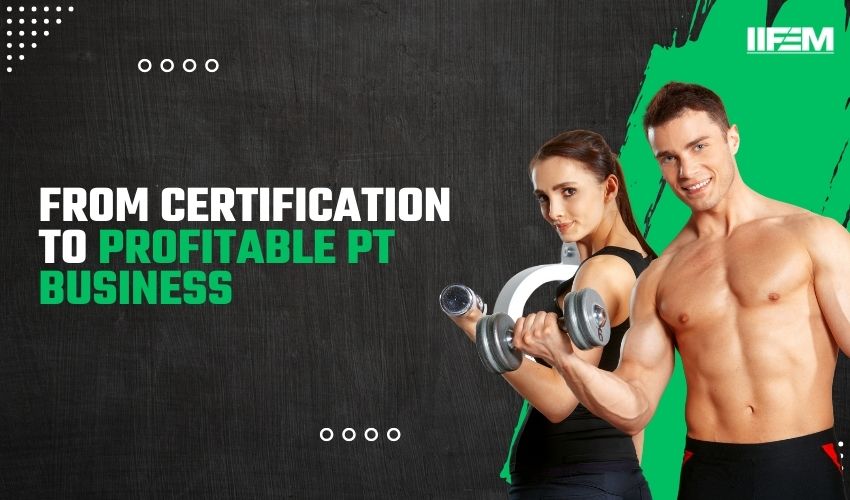
Turning Your Certified Fitness Training Into a Personal Training Business
Completing a gym training course is a major milestone, but certification alone does not guarantee success. Many trainers remain dependent on gym shifts without building their own brand. The real opportunity begins when certified knowledge turns into a structured personal fitness training business built on trust, results and long-term client relationships.
From Qualification to Income Strategy
After finishing a fitness trainer course, the next step is understanding how to convert knowledge into revenue. This implies defining services and pricing sessions, and identifying target clients. Trainers who treat their skills as a professional service rather than casual coaching often experience faster career growth and stronger financial stability.
Defining Your Coaching Identity
A personal fitness trainer course business begins with clarity. Are you focused on fat loss, muscle gain, athletic performance, or beginner fitness? Clear positioning helps attract the right audience. Trainers who complete structured education programs often gain a deeper understanding of programming, which allows them to specialise with confidence rather than offering generic sessions.
Structuring Services for Long-Term Clients
Instead of selling single sessions, successful trainers design structured packages. These include assessment, goal setting, workout progression and review periods. Clients are more likely to commit when they see a roadmap. Trainers who studied through professional courses understand how to plan phases rather than random weekly workouts.
Building Trust Through Results
Clients stay with trainers who deliver consistent progress. Knowledge from a gym trainer course helps in designing safe and progressive programs. When clients see strength improvements, fat loss, or better stamina, they refer others. Word-of-mouth growth remains one of the strongest tools for expanding a personal training business.
Leveraging Online Coaching Opportunities
The rise of online fitness certification courses has made remote coaching widely accepted. Certified trainers can now design digital programs, offer video consultations and track client progress virtually. Trainers who adapt to online models often grow faster.
Managing Clients Like a Professional
Running a business requires structure. Scheduling, payment tracking, client records, and feedback collection must be organised. Trainers with formal education tend to approach coaching with a systematic mindset. Clear communication, consistent follow-ups and measurable progress reports help build long-term professional relationships.
Expanding Beyond One-on-One Training
Once a steady client base is built, trainers can introduce group sessions, specialised workshops, or transformation programs. Knowledge from a fitness trainer course enables confident scaling, as programming skills are already developed. This expansion increases income without increasing daily working hours proportionally.
Setting the Right Pricing Strategy
Pricing should reflect expertise and results. Many new trainers undervalue their services due to a lack of confidence. Certification strengthens credibility and justifies professional fees. When trainers clearly communicate their qualifications and process, clients understand the value behind the price.
Marketing Your Skills Without Overselling
Personal branding does not require exaggerated promises. Sharing client progress stories, educational posts, and simple fitness tips naturally builds credibility. Trainers who completed structured learning programs can explain concepts clearly, which builds authority. Consistent content sharing increases visibility and attracts serious clients.
Continuous Learning Keeps the Business Growing
The fitness industry evolves regularly. Trainers who invest in advanced education maintain relevance. Additional qualifications help expand services and reach different client segments. Ongoing learning keeps coaching fresh, informed and aligned with professional standards.
How IIFEM Supports Trainers in Building Their Own Business
IIFEM offers structured programs that prepare trainers not only for coaching but also for career growth. Courses such as the gym trainer course, advanced fitness trainer course and specialised modules provide strong foundations in exercise science and client handling.
For trainers who prefer flexible education, IIFEM also provides online fitness certification courses that allow learning alongside active work. These programs focus on real coaching scenarios, program design and professional development. Trainers who study with IIFEM gain clarity, confidence and structured methods that support building a personal training business rather than relying only on gym employment.
Turning certification into a business requires planning, consistency and professional education. With the right foundation and strategic approach, certified trainers can move from working shifts to owning their fitness career.
FAQ’S
1. How do I start a personal training business after completing a gym trainer course?
Start by defining your niche, setting service packages and identifying your target audience. Create structured training plans, decide pricing based on your expertise and begin with a small client base. Focus on delivering measurable results and collecting testimonials to build credibility.
2. Can I build a personal training business with an online fitness certification?
Yes. Online fitness certification courses provide the theoretical foundation and program design skills needed to train clients professionally. When combined with practical application and client management skills, they can support both offline and online personal training businesses.
3. What qualifications are required to become a personal trainer in India?
Most gyms and clients prefer trainers who have completed a recognised fitness trainer course or gym trainer course. Certification demonstrates knowledge of exercise science, safety guidelines and structured programming, which builds trust and improves job opportunities.
4. How much can a certified personal trainer earn?
Earnings depend on location, experience and client volume. Certified trainers typically charge higher fees than uncertified trainers because they offer structured programming and professional guidance. Income increases further with online coaching, group sessions and long-term packages.
5. Is it better to work in a gym or start an independent training business?
Working in a gym helps build initial experience and client exposure. Starting an independent business offers higher earning potential and flexibility. Many trainers start in gyms and gradually transition to private or online coaching once they gain confidence and establish a client base.
Category
Recent Blog

Why is insulin neede... Read more
July 05,2023
10 Tips for Strength... Read more
August 14,2023
Sample Strength and ... Read more
September 06,2023
Why are some lifters... Read more
September 15,2023
Why do Barbells and ... Read more
September 22,2023
Secret Routine to Bu... Read more
September 26,2023
When to use Insulin,... Read more
September 28,2023
Why lifters should u... Read more
September 29,2023
What is power traini... Read more
October 09,2023
The Future of Fitnes... Read more
October 17,2023
Why Pursue a Fitness... Read more
October 21,2023
Career Paths for Cer... Read more
October 31,2023
Elevating Your Perso... Read more
November 21,2023
Gym Safety Correctiv... Read more
December 26,2023
5 Different Types of... Read more
December 27,2023
Elevate Your Fitness... Read more
December 28,2023
Embark on Your Fitne... Read more
January 24,2024
Mastering Nutrition ... Read more
January 24,2024
Building Strength wi... Read more
January 27,2024
Boost Your Career: B... Read more
January 27,2024
7 main reasons why y... Read more
February 15,2024
Unlocking Essential ... Read more
February 19,2024
Unlock Your Fitness ... Read more
February 20,2024
Unveiling the Path t... Read more
February 28,2024
How to choose the ri... Read more
February 29,2024
Strengthening Weak S... Read more
March 20,2024
How a Fat Loss and E... Read more
March 27,2024
Transformative Insig... Read more
March 27,2024
The Importance of a ... Read more
April 10,2024
Mastering the Art of... Read more
April 22,2024
Unlocking Your Caree... Read more
April 23,2024
The Evolution of Per... Read more
May 27,2024
Elevate Your Fitness... Read more
May 28,2024
Choosing the Right P... Read more
June 25,2024
Role of Protein in F... Read more
June 26,2024
Career Opportunities... Read more
June 27,2024
How Fitness Certific... Read more
July 29,2024
Building a Successfu... Read more
July 30,2024
Qualities to Look fo... Read more
August 21,2024
How Gym Trainer Cert... Read more
August 28,2024
How Fitness Trainer ... Read more
September 20,2024
The Role of a Person... Read more
September 23,2024
Immunity Boosting Pl... Read more
October 17,2024
How Fitness Trainers... Read more
October 22,2024
Transform Your Fitne... Read more
October 28,2024
Certified vs. Uncert... Read more
November 22,2024
The Role of Nutritio... Read more
November 25,2024
The Importance of Co... Read more
December 28,2024
5 Powerlifting Train... Read more
December 28,2024
How Personal Trainer... Read more
January 24,2025
Essential Online Nut... Read more
January 25,2025
How Personal Trainer... Read more
January 27,2025
5 Immunity-Boosting ... Read more
March 01,2025
What to Look for in ... Read more
March 01,2025
The Impact of a Pers... Read more
March 27,2025
The Benefits of Beco... Read more
March 28,2025
How to Choose the Ri... Read more
April 24,2025
Turbo Test: Unlockin... Read more
April 25,2025
How to Build a Perfe... Read more
April 29,2025
10 Powerful Yoga Asa... Read more
May 24,2025
How to Track Your Ca... Read more
May 26,2025
Fast-Track Your Fitn... Read more
May 28,2025
Top Career Paths You... Read more
May 29,2025
10 Reasons to Enroll... Read more
June 23,2025
How to Turn Your Pas... Read more
June 28,2025
Trainer vs Coach Wha... Read more
June 30,2025
How IIFEM Plans to C... Read more
July 01,2025
Go Global with IIFEM... Read more
July 11,2025
How to Avoid the Top... Read more
July 22,2025
No English No Proble... Read more
July 25,2025
How Education Can El... Read more
August 19,2025
Real Stories from II... Read more
August 20,2025
Why Gym Owners Prefe... Read more
August 26,2025
How Science Based Tr... Read more
August 31,2025
Why an International... Read more
September 10,2025
What Makes IIFEM the... Read more
September 15,2025
How to Build a Succe... Read more
September 22,2025
Your Passion and Our... Read more
September 27,2025
Fat Loss & Endurance... Read more
October 16,2025
Benefits of Whey Pro... Read more
October 21,2025
Strength and Conditi... Read more
October 27,2025
From Trainer to Gym ... Read more
October 29,2025
Powerlifting Trainin... Read more
November 12,2025
Pre-Workout vs Post-... Read more
November 17,2025
Building a Hybrid Fi... Read more
November 19,2025
Why Most Weight Loss... Read more
November 21,2025
Why Great Coaches Do... Read more
December 18,2025
Integrating Yoga for... Read more
December 18,2025
From Fitness Coach t... Read more
December 18,2025
Personal Trainers Sa... Read more
January 16,2026
Diploma in Fitness T... Read more
January 16,2026
Join Gym Training Co... Read more
February 10,2026
How to Become a Cert... Read more
February 10,2026
How a Certified Pers... Read more
February 18,2026
Confused About Certi... Read more
March 14,2026
Turning Fitness Enth... Read more
March 14,2026
The Personal Trainer... Read more
March 14,2026
Building Authority i... Read more
March 18,2026
Top Fitness Skills E... Read more
April 10,2026
How IIFEM Certificat... Read more
April 15,2026
Thinking of Becoming... Read more
April 22,2026
Why Certified Fitnes... Read more
April 29,2026
Top 5 Gym Trainer Co... Read more
May 08,2026
Choose the Top Perso... Read more
May 15,2026
Become Top Physical ... Read more
May 16,2026
Online Diploma in Fi... Read more
May 21,2026
Best Gym Trainer Cer... Read more
June 10,2026
How to Become a Cert... Read more
June 08,2026
How to Become a Cert... Read more
June 11,2026
Top Career Opportuni... Read more
June 08,2026
Why the Fitness Indu... Read more
July 16,2026
How to Start Your Ca... Read more
July 18,2026
Why Online Certifica... Read more
July 26,2026
Want to Become a Cer... Read more
July 28,2026
Why Personal Trainer... Read more
August 10,2026
How to Choose the Ri... Read more
August 15,2026
What to Expect from ... Read more
August 25,2026
What Makes a Perfect... Read more
August 22,2026
How to Become a Cert... Read more
September 09,2026
Get Certified in Gym... Read more
September 11,2026
Certified Fitness Tr... Read more
September 16,2026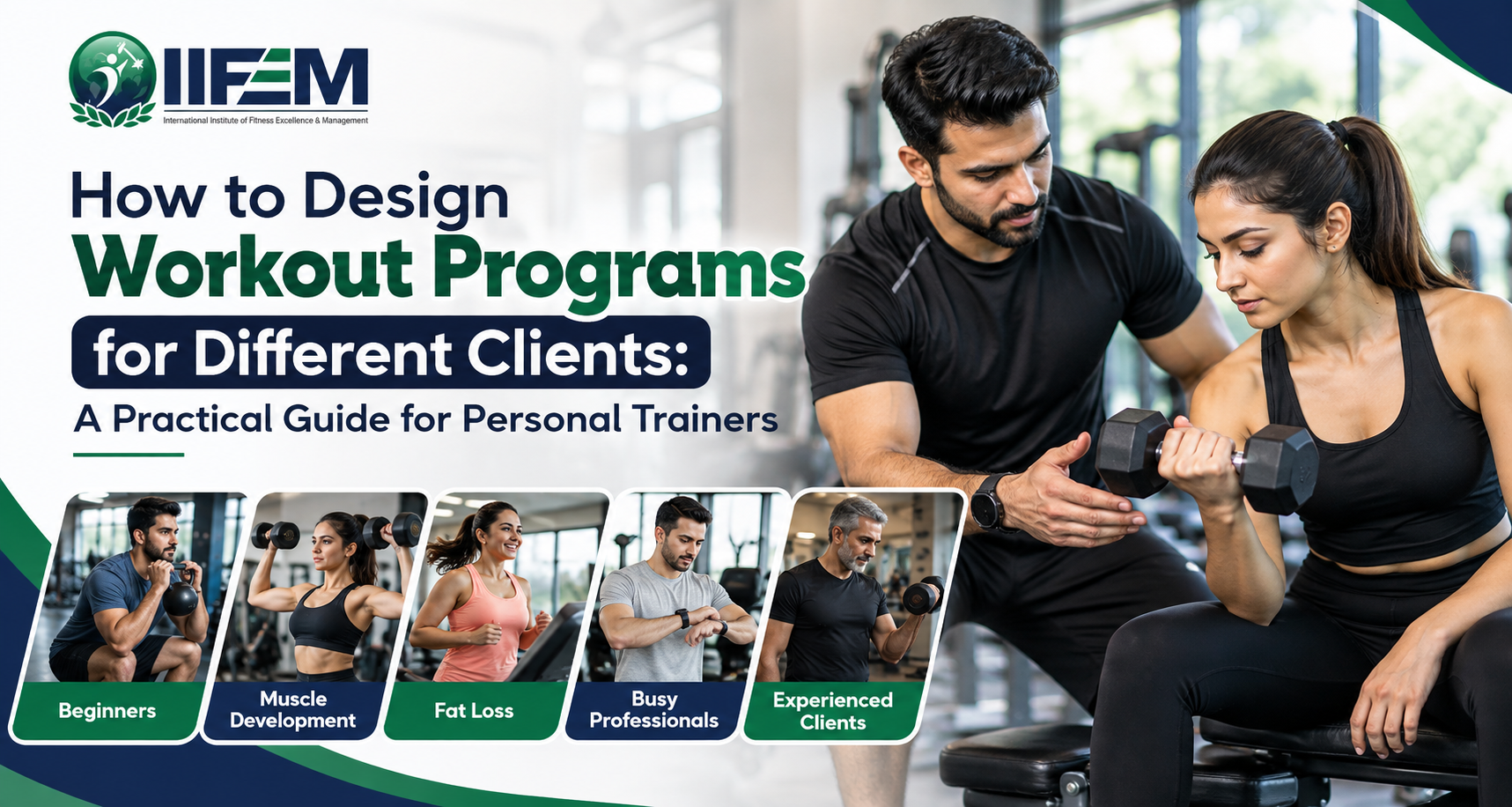
How to Design Workou... Read more
September 25,2026
Strength & Condition... Read more
October 05,2026Trainer to Master Tr... Read more
October 08,2026Diet Management Cour... Read more
October 11,2026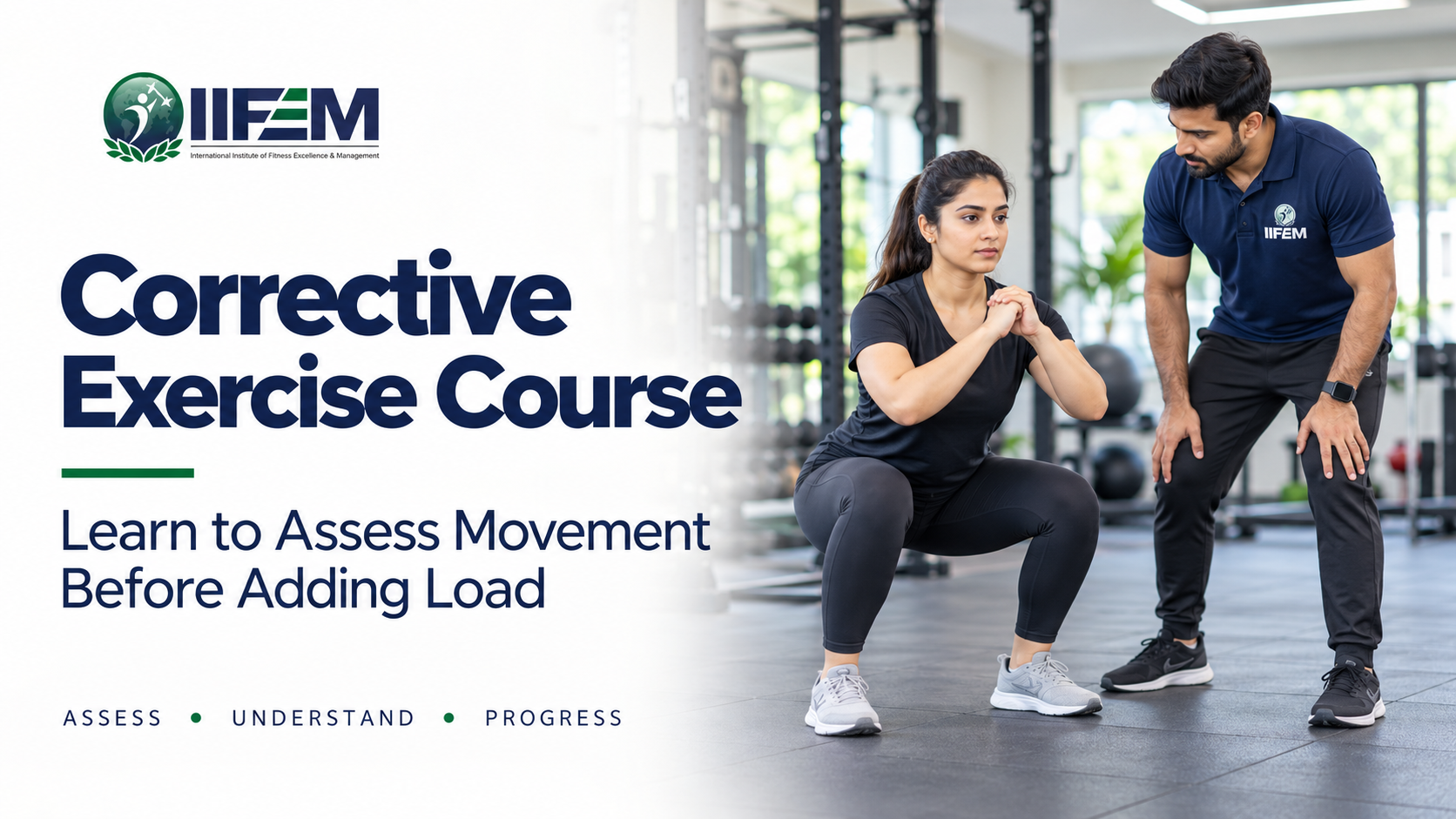
Corrective Exercise ... Read more
October 15,2026