Pre-Workout vs Post-Workout: Which Supplements Actually Work?
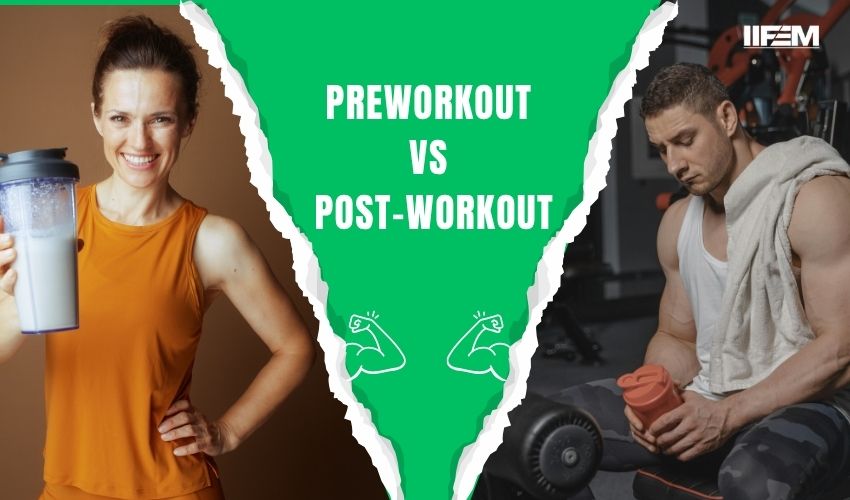
Choosing between pre-workout and post-workout supplements can be confusing for both beginners and trainers. Each category claims better strength, faster gains and improved performance. But the real question is: which one delivers noticeable results? Understanding how these supplements work will help trainers guide clients toward smarter, science-backed choices.
What Pre-Workout Supplements Are Designed to Do?
Pre-workout supplements prepare the body for demanding training sessions. They usually contain caffeine, amino acids and nitric oxide boosters that support energy, focus and stamina. This makes workouts feel more powerful and reduces early fatigue. For clients who struggle with low energy or inconsistent intensity, pre workout powder creates a strong lift in performance right before the session begins.
What Post-Workout Supplements Aim to Support?
Post workout supplements help with recovery after training. These are built to replenish nutrients lost during exercise, support muscle repair and lower soreness. Protein after workout is one of the most popular choices because it helps rebuild muscle fibres that break down during training. Carbohydrate blends and electrolytes also help restore energy levels and maintain hydration. Trainers often rely on these formulas to keep clients consistent without long recovery gaps.
How Pre-Workout Helps Performance During Training?
A well-structured pre-workout formula helps increase blood flow, alertness and strength output. Ingredients like citrulline, beta-alanine and caffeine work together to increase endurance and improve overall workout quality. Clients performing heavy lifts, high-intensity intervals or long-duration training benefit the most from this short-term boost. This makes pre-workout ideal for performance-focused sessions.
How Post-Workout Supports Muscle Growth and Repair?
Right after training, the body enters a rebuilding phase. This is where post-workout formulas shine. Protein blends, amino acids and fast-digesting nutrients help repair damaged muscle tissue more quickly. This promotes growth, reduces soreness and improves the quality of the next session. Trainers who focus on long-term progression often pair post-workout recovery with consistent sleep and hydration patterns for steady improvements.
When Pre-Workout Works Best?
Pre-workout products are ideal for clients who:
- Train early in the morning and feel low on energy
- Strength train with high volume
- Need help improving focus during workouts
- Struggle with consistent workout intensity
The ingredients support mental and physical performance, helping clients push harder without burning out too soon.
When Post-Workout Works Best?
Post-workout recovery formulas are better for individuals who:
- Want better muscle repair and less soreness
- Train frequently during the week
- Struggle to meet daily protein needs
- Want faster recovery between sessions
These products directly support muscle repair, making them essential for building strength and size.
Which One Gives Better Results?
The debate around pre workout vs post workout always comes back to individual goals. Pre-workouts offer short-term performance benefits, while post-workouts deliver long-term recovery and growth. Trainers working with clients on strength, fat loss, or muscle development often find that combining both categories gives the best overall results.
One improves the quality of the training session and the other improves the quality of recovery afterward.
Choosing the Right Supplement for Your Goal?
For fat loss: Pre-workout formulas help increase calorie burn and training quality.
For muscle gain: Post-workout protein supports muscle repair and growth.
For endurance: A mix of electrolytes, carbohydrates and post-workout amino acids supports long-distance training.
For heavy lifting: A structured combination of pre-workout energy boosters and post-workout protein gives balanced results.
How Trainers Can Guide Clients Better?
Trainers who understand supplement timing can help clients avoid common issues such as overstimulation, low recovery and poor sleep. Educating clients about ingredient labels, caffeine tolerance and proper dosing leads to safer and more effective supplement use. This builds trust and positions the trainer as a knowledgeable professional beyond workouts alone.
Why IIFEM Is the Right Place to Build Your Fitness Knowledge?
If you want to understand supplements deeply and guide others with confidence, the International Institute of Fitness Excellence and Management (IIFEM) gives you the right foundation. With expert-led courses, updated scientific study material and practical learning, you gain the skills needed to train smarter and build a strong career in the fitness field. Whether you're a beginner or a working trainer, IIFEM helps you grow with clarity and confidence.
FAQs
1: Is pre-workout better than post-workout?
Neither is better overall, they serve different purposes. Pre-workout boosts energy and focus before training, while post-workout supports recovery and muscle repair.
2: Do I need both pre and post-workout supplements?
Using both can improve performance and recovery. Pre-workout enhances the training session and post-workout helps rebuild muscle afterwards.
3: Can pre-workout help with fat loss?
Yes. Pre-workout increases workout intensity, which can raise calorie burn and support fat loss when paired with a structured routine.
4: Is protein after a workout necessary?
Protein after training supports muscle repair and growth. It helps replace amino acids lost during exercise.
5: What is the best workout supplement for beginners?
A simple protein blend for recovery and a mild pre-workout formula with low caffeine are ideal starting points.
Category
Recent Blog

Why is insulin neede... Read more
July 05,2023
10 Tips for Strength... Read more
August 14,2023
Sample Strength and ... Read more
September 06,2023
Why are some lifters... Read more
September 15,2023
Why do Barbells and ... Read more
September 22,2023
Secret Routine to Bu... Read more
September 26,2023
When to use Insulin,... Read more
September 28,2023
Why lifters should u... Read more
September 29,2023
What is power traini... Read more
October 09,2023
The Future of Fitnes... Read more
October 17,2023
Why Pursue a Fitness... Read more
October 21,2023
Career Paths for Cer... Read more
October 31,2023
Elevating Your Perso... Read more
November 21,2023
Gym Safety Correctiv... Read more
December 26,2023
5 Different Types of... Read more
December 27,2023
Elevate Your Fitness... Read more
December 28,2023
Embark on Your Fitne... Read more
January 24,2024
Mastering Nutrition ... Read more
January 24,2024
Building Strength wi... Read more
January 27,2024
Boost Your Career: B... Read more
January 27,2024
7 main reasons why y... Read more
February 15,2024
Unlocking Essential ... Read more
February 19,2024
Unlock Your Fitness ... Read more
February 20,2024
Unveiling the Path t... Read more
February 28,2024
How to choose the ri... Read more
February 29,2024
Strengthening Weak S... Read more
March 20,2024
How a Fat Loss and E... Read more
March 27,2024
Transformative Insig... Read more
March 27,2024
The Importance of a ... Read more
April 10,2024
Mastering the Art of... Read more
April 22,2024
Unlocking Your Caree... Read more
April 23,2024
The Evolution of Per... Read more
May 27,2024
Elevate Your Fitness... Read more
May 28,2024
Choosing the Right P... Read more
June 25,2024
Role of Protein in F... Read more
June 26,2024
Career Opportunities... Read more
June 27,2024
How Fitness Certific... Read more
July 29,2024
Building a Successfu... Read more
July 30,2024
Qualities to Look fo... Read more
August 21,2024
How Gym Trainer Cert... Read more
August 28,2024
How Fitness Trainer ... Read more
September 20,2024
The Role of a Person... Read more
September 23,2024
Immunity Boosting Pl... Read more
October 17,2024
How Fitness Trainers... Read more
October 22,2024
Transform Your Fitne... Read more
October 28,2024
Certified vs. Uncert... Read more
November 22,2024
The Role of Nutritio... Read more
November 25,2024
The Importance of Co... Read more
December 28,2024
5 Powerlifting Train... Read more
December 28,2024
How Personal Trainer... Read more
January 24,2025
Essential Online Nut... Read more
January 25,2025
How Personal Trainer... Read more
January 27,2025
5 Immunity-Boosting ... Read more
March 01,2025
What to Look for in ... Read more
March 01,2025
The Impact of a Pers... Read more
March 27,2025
The Benefits of Beco... Read more
March 28,2025
How to Choose the Ri... Read more
April 24,2025
Turbo Test: Unlockin... Read more
April 25,2025
How to Build a Perfe... Read more
April 29,2025
10 Powerful Yoga Asa... Read more
May 24,2025
How to Track Your Ca... Read more
May 26,2025
Fast-Track Your Fitn... Read more
May 28,2025
Top Career Paths You... Read more
May 29,2025
10 Reasons to Enroll... Read more
June 23,2025
How to Turn Your Pas... Read more
June 28,2025
Trainer vs Coach Wha... Read more
June 30,2025
How IIFEM Plans to C... Read more
July 01,2025
Go Global with IIFEM... Read more
July 11,2025
How to Avoid the Top... Read more
July 22,2025
No English No Proble... Read more
July 25,2025
How Education Can El... Read more
August 19,2025
Real Stories from II... Read more
August 20,2025
Why Gym Owners Prefe... Read more
August 26,2025
How Science Based Tr... Read more
August 31,2025
Why an International... Read more
September 10,2025
What Makes IIFEM the... Read more
September 15,2025
How to Build a Succe... Read more
September 22,2025
Your Passion and Our... Read more
September 27,2025
Fat Loss & Endurance... Read more
October 16,2025
Benefits of Whey Pro... Read more
October 21,2025
Strength and Conditi... Read more
October 27,2025
From Trainer to Gym ... Read more
October 29,2025
Powerlifting Trainin... Read more
November 12,2025
Building a Hybrid Fi... Read more
November 19,2025
Why Most Weight Loss... Read more
November 21,2025
Why Great Coaches Do... Read more
December 18,2025
Integrating Yoga for... Read more
December 18,2025
From Fitness Coach t... Read more
December 18,2025
Personal Trainers Sa... Read more
January 16,2026
Diploma in Fitness T... Read more
January 16,2026
Join Gym Training Co... Read more
February 10,2026
How to Become a Cert... Read more
February 10,2026
How a Certified Pers... Read more
February 18,2026
Turning Your Certifi... Read more
February 18,2026
Confused About Certi... Read more
March 14,2026
Turning Fitness Enth... Read more
March 14,2026
The Personal Trainer... Read more
March 14,2026
Building Authority i... Read more
March 18,2026
Top Fitness Skills E... Read more
April 10,2026
How IIFEM Certificat... Read more
April 15,2026
Thinking of Becoming... Read more
April 22,2026
Why Certified Fitnes... Read more
April 29,2026
Top 5 Gym Trainer Co... Read more
May 08,2026
Choose the Top Perso... Read more
May 15,2026
Become Top Physical ... Read more
May 16,2026
Online Diploma in Fi... Read more
May 21,2026
Best Gym Trainer Cer... Read more
June 10,2026
How to Become a Cert... Read more
June 08,2026
How to Become a Cert... Read more
June 11,2026
Top Career Opportuni... Read more
June 08,2026
Why the Fitness Indu... Read more
July 16,2026
How to Start Your Ca... Read more
July 18,2026
Why Online Certifica... Read more
July 26,2026
Want to Become a Cer... Read more
July 28,2026
Why Personal Trainer... Read more
August 10,2026
How to Choose the Ri... Read more
August 15,2026
What to Expect from ... Read more
August 25,2026
What Makes a Perfect... Read more
August 22,2026
How to Become a Cert... Read more
September 09,2026
Get Certified in Gym... Read more
September 11,2026
Certified Fitness Tr... Read more
September 16,2026
How to Design Workou... Read more
September 25,2026
Strength & Condition... Read more
October 05,2026Trainer to Master Tr... Read more
October 08,2026Diet Management Cour... Read more
October 11,2026
Corrective Exercise ... Read more
October 15,2026