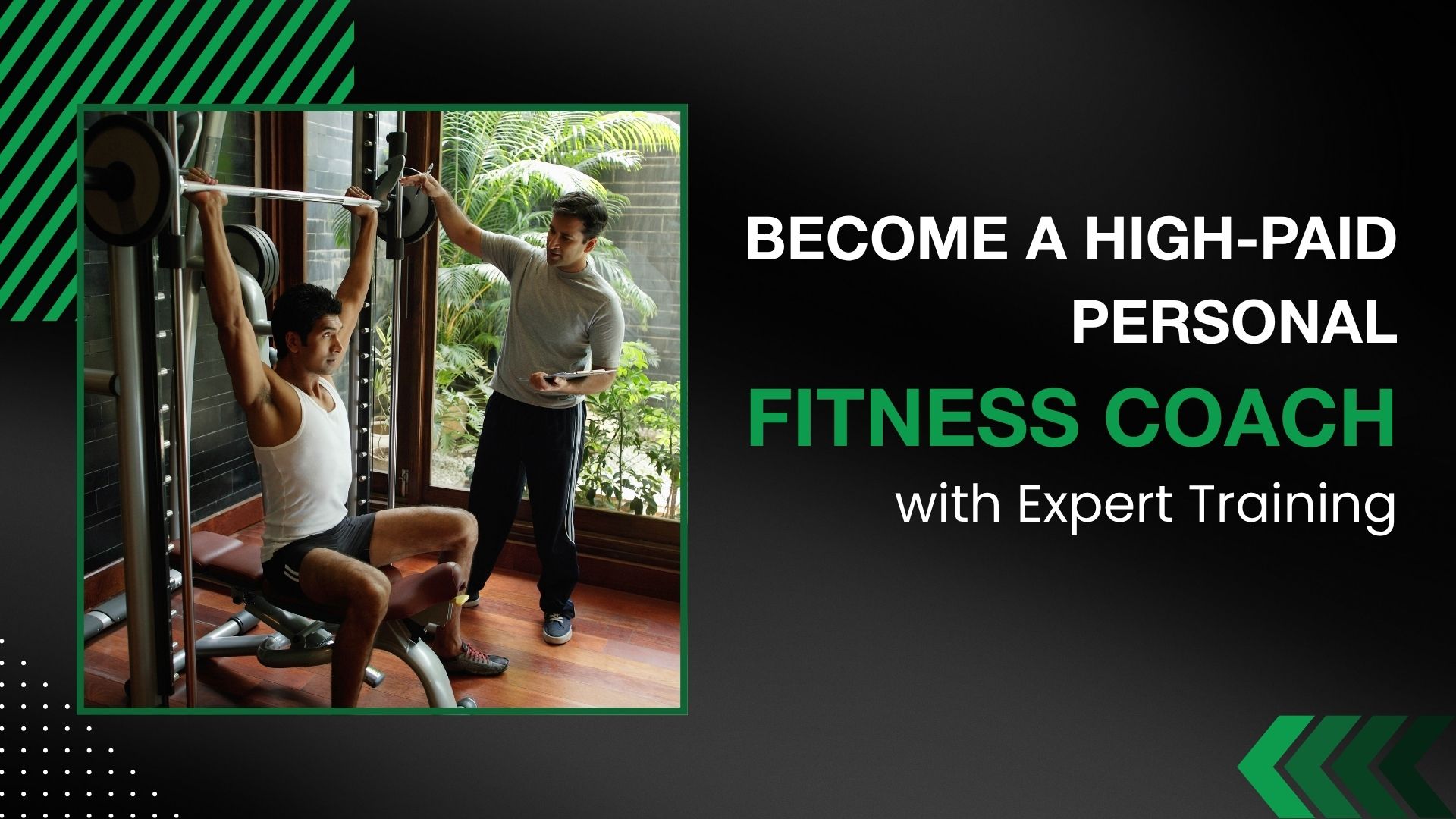
Choose the Top Personal Fitness Trainer Course That Can Help You Become a High-Paid Coach
The fitness industry has changed dramatically over the last few years. Clients are no longer choosing trainers based only on physique or gym presence. They want qualified professionals who understand biomechanics, injury prevention, nutrition basics, client psychology, and sustainable fitness planning. As a result, earning potential in the industry is increasingly tied to education and credibility rather than social media popularity alone.
For aspiring coaches and working fitness professionals, choosing the right personal trainer classes online can shape long-term career growth far more than many realise.
A common mistake among beginners is selecting courses purely because they are inexpensive or quick to complete. In practice, gym owners and serious clients tend to value trainers who have undergone structured education with practical learning components and recognised industry certification standards.
This is where institutions like IIFEM have attracted attention among fitness professionals looking to build stronger technical expertise and improve employability within a competitive market.
The reality is that modern personal training is part science, part communication, and part business management. Trainers who consistently command premium fees are rarely the loudest personalities in the gym. They are usually the coaches who understand assessment techniques, exercise programming, mobility correction, recovery management, and client retention strategies.
A well-designed top personal trainer program should prepare students for these real-world demands instead of focusing only on workout demonstrations.
For example, many new trainers struggle when working with clients who have lower back pain, obesity-related mobility restrictions, or postural imbalances. Without proper education, sessions often become generic and ineffective. Experienced coaches know how to modify movement patterns safely while still helping clients progress toward measurable goals.
That practical understanding often becomes the difference between an average trainer earning inconsistent income and a trusted coach building a long-term client base.
Another important shift within the industry is the rise of hybrid coaching models. Trainers are now expected to manage online consultations, digital workout plans, virtual accountability systems, and nutrition tracking platforms alongside in-person sessions. This has increased demand for flexible personal trainer classes that combine technical education with business and communication skills.
Fitness facilities are also becoming more selective during hiring. Many premium gyms and wellness studios now prioritise candidates holding a recognised certification course in fitness because clients themselves are becoming more informed. Certifications signal professionalism, safety awareness, and commitment to continuing education.
One overlooked factor when choosing a course is mentorship quality. Recorded modules alone rarely produce confident coaches. The strongest learning environments usually include live workshops, case-based learning, anatomy application, client assessment practice, and instructor feedback.
A fitness trainer working in Mumbai recently shared that after completing structured certification training, client retention improved significantly because sessions became more personalised rather than repetitive. Clients noticed the difference immediately. Better assessments led to more realistic programming, which ultimately improved referrals and long-term earnings.
For professionals comparing training institutes, it helps to evaluate several areas carefully:
- Curriculum depth and scientific accuracy
- Practical training exposure
- Industry recognition
- Placement support
- Faculty experience
- Continuing education opportunities
Short-term convenience should never outweigh long-term career value.
FAQ
Are personal trainer classes online effective?
Yes, provided the course includes practical application, expert instruction, and recognised certification standards.
What skills should a professional fitness trainer learn?
Exercise science, anatomy, client assessment, mobility training, communication skills, and program design are all essential.
Does certification affect earning potential?
In many cases, yes. Certified trainers are often viewed as more credible by both employers and clients.
How do I choose the right top personal trainer program?
Look beyond marketing claims. Evaluate curriculum quality, instructor expertise, practical exposure, and industry reputation.
The fitness industry rewards professionals who continue learning and refining their expertise. A recognised certification is no longer just an optional credential — it has become part of building trust, attracting serious clients, and creating a sustainable coaching career. Trainers who invest in proper education early often position themselves for stronger opportunities, better client outcomes, and higher long-term income potential.
Category
Recent Blog

Why is insulin neede... Read more
July 05,2023
10 Tips for Strength... Read more
August 14,2023
Sample Strength and ... Read more
September 06,2023
Why are some lifters... Read more
September 15,2023
Why do Barbells and ... Read more
September 22,2023
Secret Routine to Bu... Read more
September 26,2023
When to use Insulin,... Read more
September 28,2023
Why lifters should u... Read more
September 29,2023
What is power traini... Read more
October 09,2023
The Future of Fitnes... Read more
October 17,2023
Why Pursue a Fitness... Read more
October 21,2023
Career Paths for Cer... Read more
October 31,2023
Elevating Your Perso... Read more
November 21,2023
Gym Safety Correctiv... Read more
December 26,2023
5 Different Types of... Read more
December 27,2023
Elevate Your Fitness... Read more
December 28,2023
Embark on Your Fitne... Read more
January 24,2024
Mastering Nutrition ... Read more
January 24,2024
Building Strength wi... Read more
January 27,2024
Boost Your Career: B... Read more
January 27,2024
7 main reasons why y... Read more
February 15,2024
Unlocking Essential ... Read more
February 19,2024
Unlock Your Fitness ... Read more
February 20,2024
Unveiling the Path t... Read more
February 28,2024
How to choose the ri... Read more
February 29,2024
Strengthening Weak S... Read more
March 20,2024
How a Fat Loss and E... Read more
March 27,2024
Transformative Insig... Read more
March 27,2024
The Importance of a ... Read more
April 10,2024
Mastering the Art of... Read more
April 22,2024
Unlocking Your Caree... Read more
April 23,2024
The Evolution of Per... Read more
May 27,2024
Elevate Your Fitness... Read more
May 28,2024
Choosing the Right P... Read more
June 25,2024
Role of Protein in F... Read more
June 26,2024
Career Opportunities... Read more
June 27,2024
How Fitness Certific... Read more
July 29,2024
Building a Successfu... Read more
July 30,2024
Qualities to Look fo... Read more
August 21,2024
How Gym Trainer Cert... Read more
August 28,2024
How Fitness Trainer ... Read more
September 20,2024
The Role of a Person... Read more
September 23,2024
Immunity Boosting Pl... Read more
October 17,2024
How Fitness Trainers... Read more
October 22,2024
Transform Your Fitne... Read more
October 28,2024
Certified vs. Uncert... Read more
November 22,2024
The Role of Nutritio... Read more
November 25,2024
The Importance of Co... Read more
December 28,2024
5 Powerlifting Train... Read more
December 28,2024
How Personal Trainer... Read more
January 24,2025
Essential Online Nut... Read more
January 25,2025
How Personal Trainer... Read more
January 27,2025
5 Immunity-Boosting ... Read more
March 01,2025
What to Look for in ... Read more
March 01,2025
The Impact of a Pers... Read more
March 27,2025
The Benefits of Beco... Read more
March 28,2025
How to Choose the Ri... Read more
April 24,2025
Turbo Test: Unlockin... Read more
April 25,2025
How to Build a Perfe... Read more
April 29,2025
10 Powerful Yoga Asa... Read more
May 24,2025
How to Track Your Ca... Read more
May 26,2025
Fast-Track Your Fitn... Read more
May 28,2025
Top Career Paths You... Read more
May 29,2025
10 Reasons to Enroll... Read more
June 23,2025
How to Turn Your Pas... Read more
June 28,2025
Trainer vs Coach Wha... Read more
June 30,2025
How IIFEM Plans to C... Read more
July 01,2025
Go Global with IIFEM... Read more
July 11,2025
How to Avoid the Top... Read more
July 22,2025
No English No Proble... Read more
July 25,2025
How Education Can El... Read more
August 19,2025
Real Stories from II... Read more
August 20,2025
Why Gym Owners Prefe... Read more
August 26,2025
How Science Based Tr... Read more
August 31,2025
Why an International... Read more
September 10,2025
What Makes IIFEM the... Read more
September 15,2025
How to Build a Succe... Read more
September 22,2025
Your Passion and Our... Read more
September 27,2025
Fat Loss & Endurance... Read more
October 16,2025
Benefits of Whey Pro... Read more
October 21,2025
Strength and Conditi... Read more
October 27,2025
From Trainer to Gym ... Read more
October 29,2025
Powerlifting Trainin... Read more
November 12,2025
Pre-Workout vs Post-... Read more
November 17,2025
Building a Hybrid Fi... Read more
November 19,2025
Why Most Weight Loss... Read more
November 21,2025
Why Great Coaches Do... Read more
December 18,2025
Integrating Yoga for... Read more
December 18,2025
From Fitness Coach t... Read more
December 18,2025
Personal Trainers Sa... Read more
January 16,2026
Diploma in Fitness T... Read more
January 16,2026
Join Gym Training Co... Read more
February 10,2026
How to Become a Cert... Read more
February 10,2026
How a Certified Pers... Read more
February 18,2026
Turning Your Certifi... Read more
February 18,2026
Confused About Certi... Read more
March 14,2026
Turning Fitness Enth... Read more
March 14,2026
The Personal Trainer... Read more
March 14,2026
Building Authority i... Read more
March 18,2026
Top Fitness Skills E... Read more
April 10,2026
How IIFEM Certificat... Read more
April 15,2026
Thinking of Becoming... Read more
April 22,2026
Why Certified Fitnes... Read more
April 29,2026
Top 5 Gym Trainer Co... Read more
May 08,2026
Become Top Physical ... Read more
May 16,2026
Online Diploma in Fi... Read more
May 21,2026
Best Gym Trainer Cer... Read more
June 10,2026
How to Become a Cert... Read more
June 08,2026
How to Become a Cert... Read more
June 11,2026
Top Career Opportuni... Read more
June 08,2026
Why the Fitness Indu... Read more
July 16,2026
How to Start Your Ca... Read more
July 18,2026
Why Online Certifica... Read more
July 26,2026
Want to Become a Cer... Read more
July 28,2026
Why Personal Trainer... Read more
August 10,2026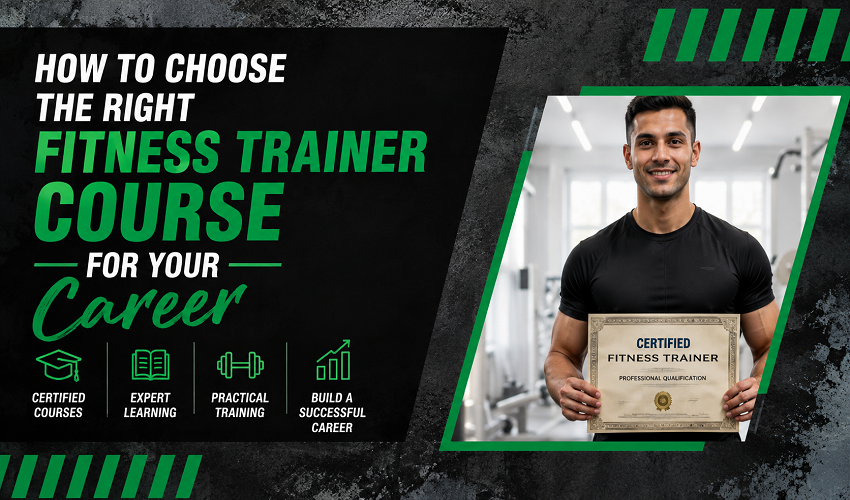
How to Choose the Ri... Read more
August 15,2026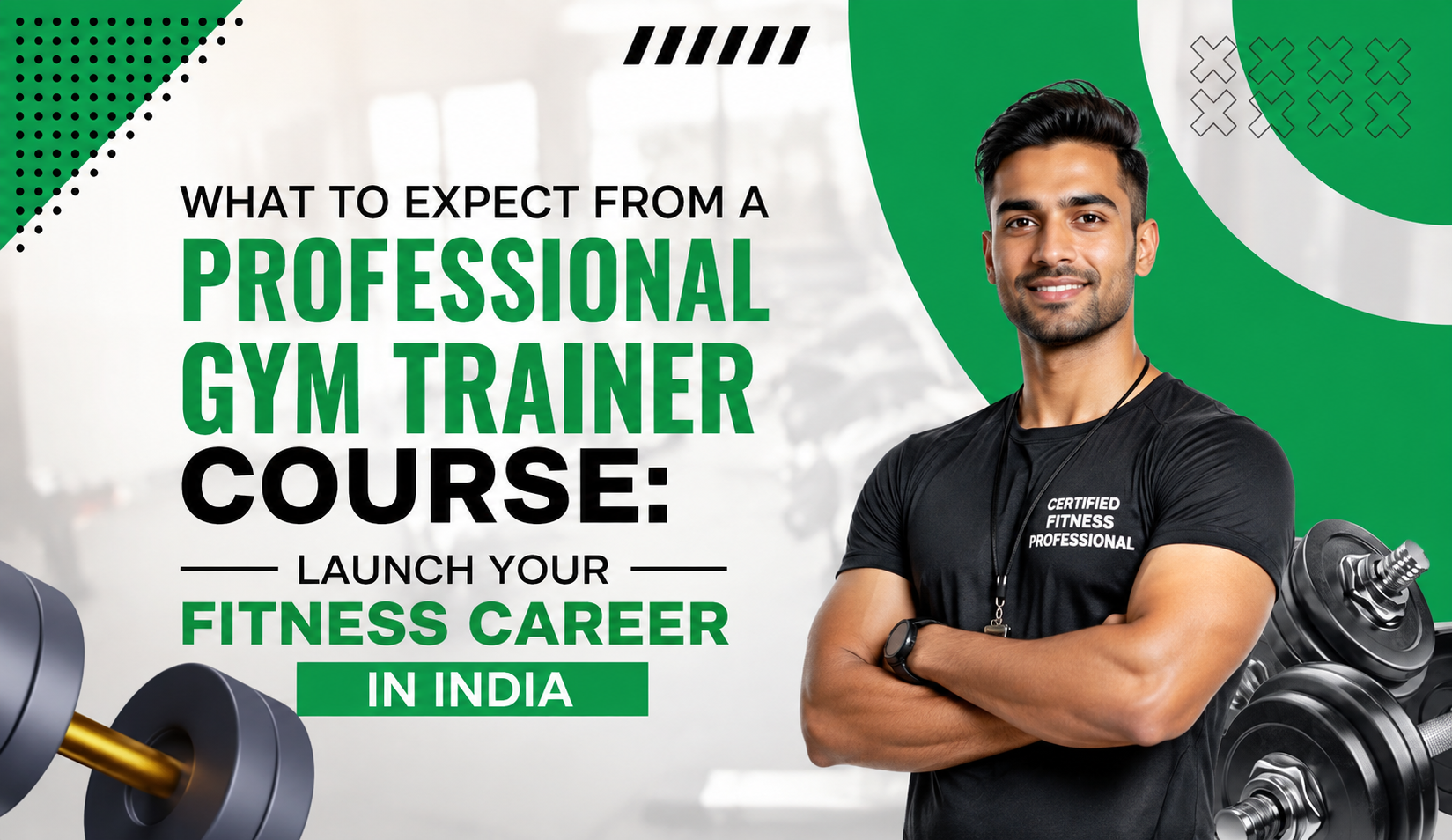
What to Expect from ... Read more
August 25,2026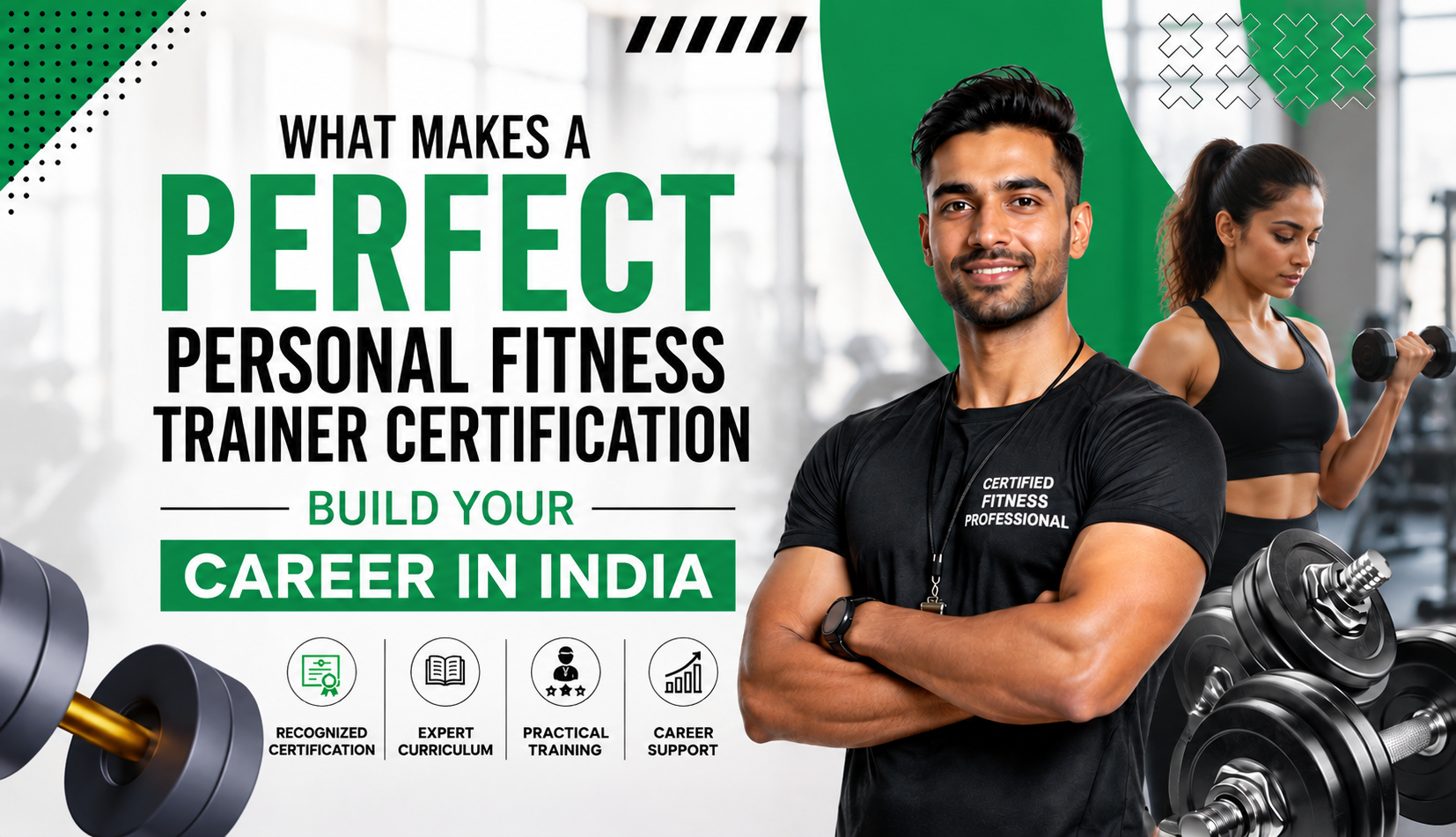
What Makes a Perfect... Read more
August 22,2026
How to Become a Cert... Read more
September 09,2026
Get Certified in Gym... Read more
September 11,2026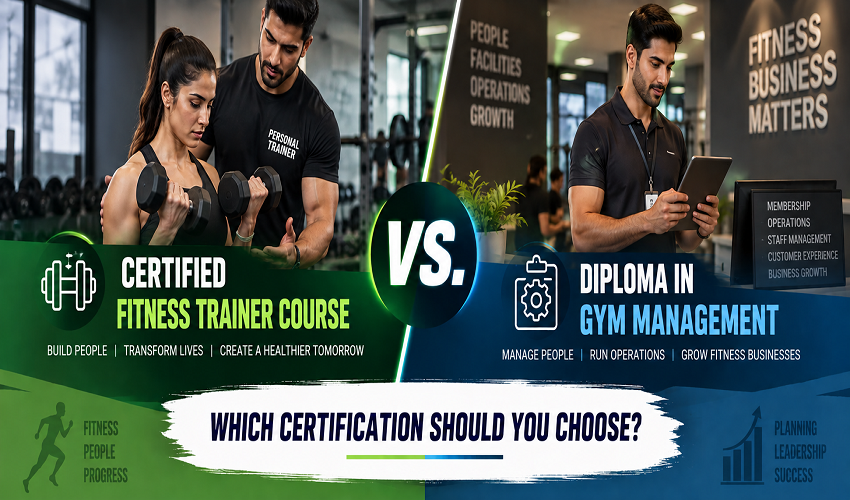
Certified Fitness Tr... Read more
September 16,2026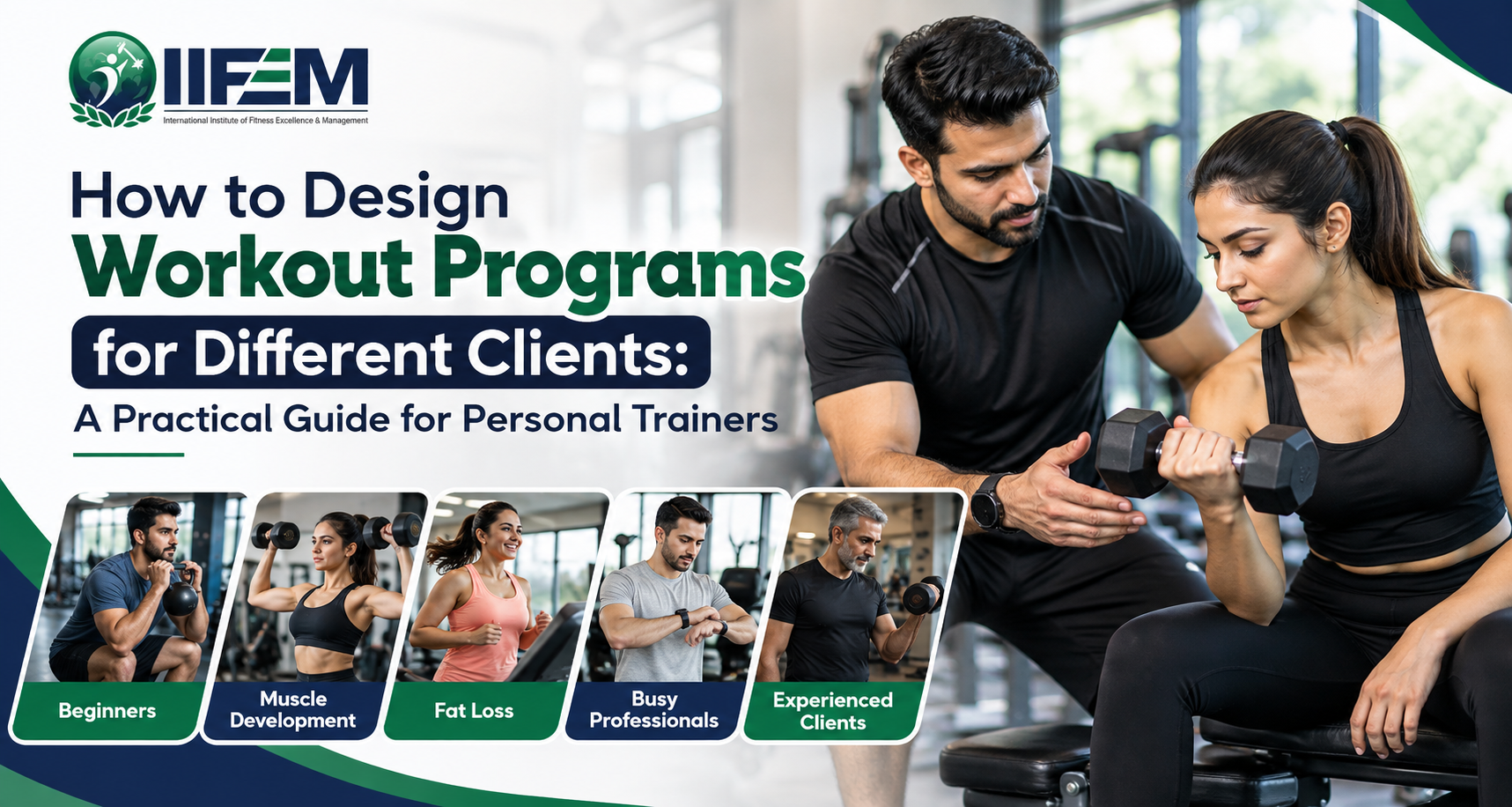
How to Design Workou... Read more
September 25,2026
Strength & Condition... Read more
October 05,2026Trainer to Master Tr... Read more
October 08,2026Diet Management Cour... Read more
October 11,2026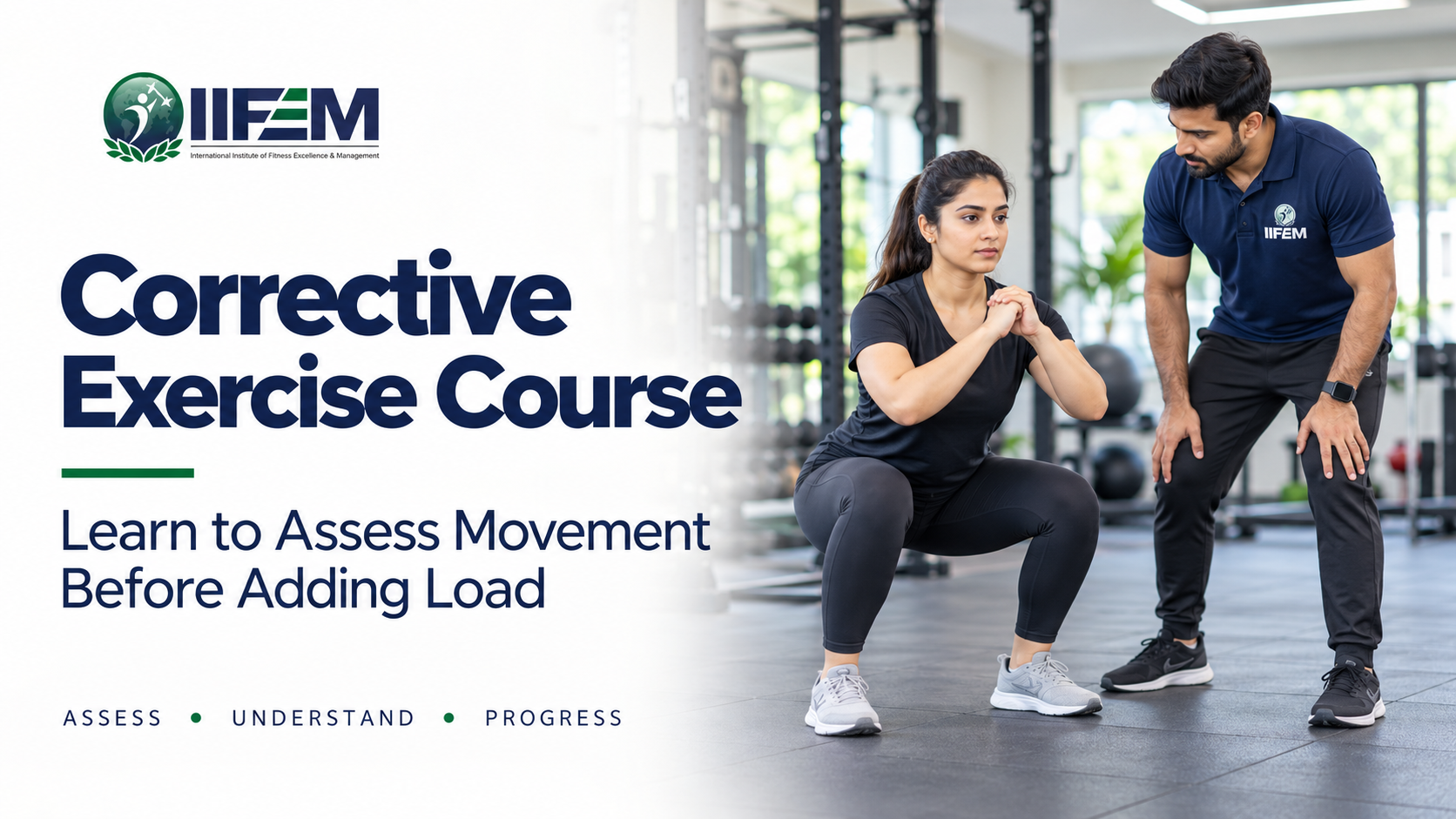
Corrective Exercise ... Read more
October 15,2026