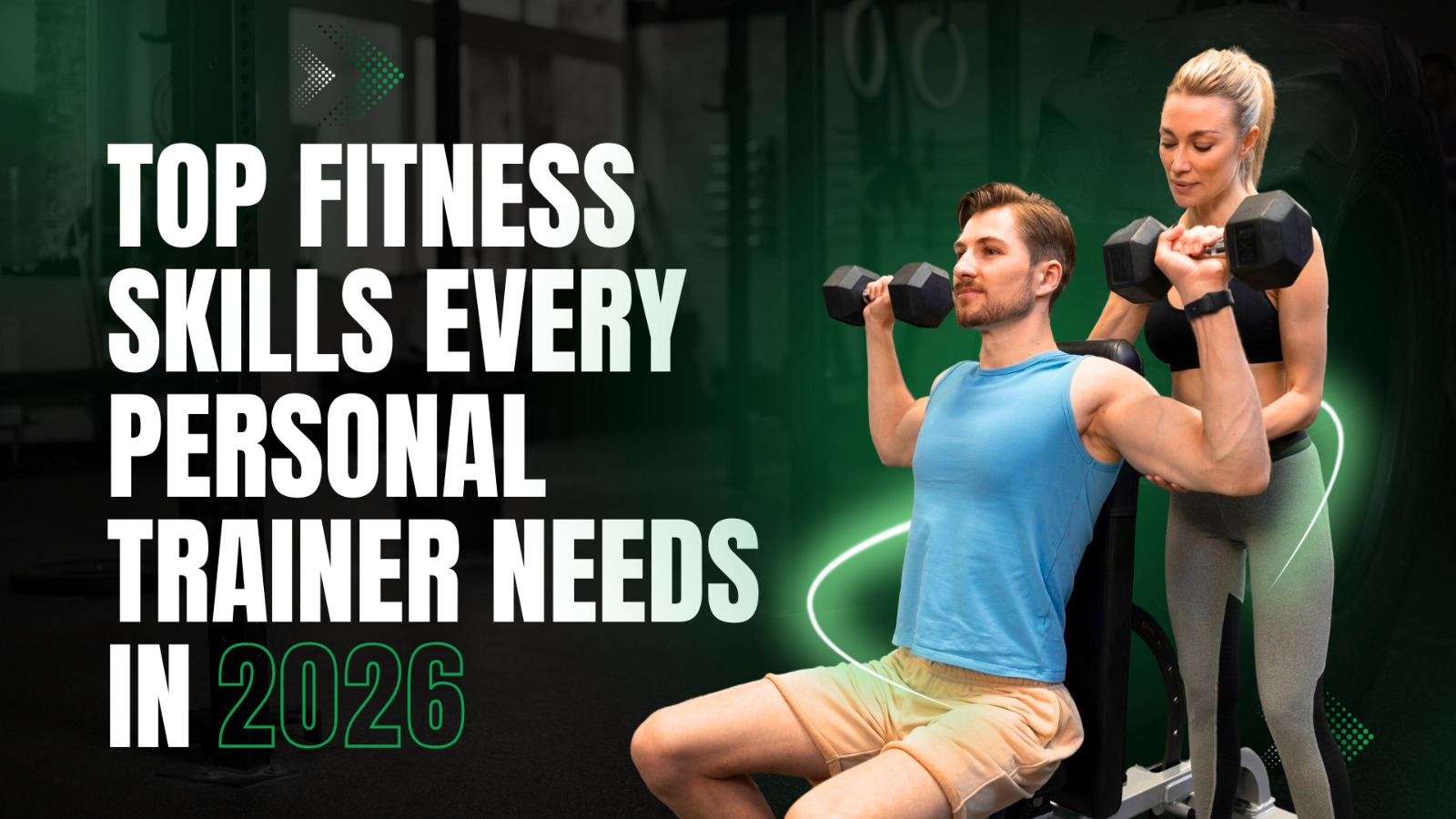
Top Fitness Skills Every Successful Personal Trainer Must Learn in 2026
The fitness industry is evolving fast and success today requires more than just knowing exercises. A modern personal fitness trainer must combine science, communication and adaptability to deliver consistent results. Clients expect structured guidance, measurable progress and long-term support. Learning the right skills through a fitness course helps them to stay relevant and build lasting careers.
1. Understanding Movement and Body Mechanics
A strong foundation in movement science helps trainers guide clients safely. Knowing how joints move, how muscles work together and how posture affects performance allows better exercise selection. Trainers who complete a personal fitness trainer certification can assess movement patterns and correct form, reducing injury risk while improving training quality.
2. Designing Structured Training Programs
Random workouts do not produce long-term results. Trainers must know how to create structured plans based on goals, fitness levels and recovery capacity. A well-planned routine includes progression, rest periods and variation. Learning program design through a personal gym trainer course helps trainers deliver consistent and trackable results.
3. Effective Communication With Clients
Clear communication is one of the most valuable skills a trainer can develop. Clients need instructions that are simple and easy to follow. Trainers must also listen carefully to understand goals and challenges. Strong communication builds trust, improves adherence and helps clients stay committed to their fitness journey.
4. Mastering Client Assessment and Goal Setting
Every client starts at a different level. Trainers must assess strength, mobility and endurance before creating a plan. Setting realistic goals based on these assessments helps clients stay motivated. A structured fitness course teaches how to track progress and adjust plans based on results.
5. Building Knowledge of Nutrition Basics
Training alone is not enough to achieve results. Trainers must understand how food affects performance and recovery. While detailed diet plans may require specialised qualifications, basic nutrition knowledge helps trainers guide clients in making better choices that support their fitness goals.
6. Adapting to Online and Hybrid Coaching
In 2026, trainers are no longer limited to gym floors. Many clients prefer online or hybrid coaching models. Trainers must learn how to manage virtual sessions, track progress remotely and stay connected with clients. A modern personal physical trainer course often includes guidance on online coaching methods.
7. Tracking Progress and Using Data
Successful trainers rely on data to improve results. Tracking workouts, strength levels and recovery patterns helps identify what is working. Trainers who monitor progress can make better decisions and adjust programs at the right time, leading to steady improvement for their clients.
8. Managing Client Relationships for Long-Term Success
Retaining clients is just as important as getting new ones. Trainers must build strong relationships by offering support, accountability and consistent feedback. Clients stay longer when they feel understood and guided. This skill directly impacts a trainer’s reputation and income stability.
9. Staying Updated With Industry Trends
Fitness trends change quickly, but not all trends are effective. Trainers must learn how to evaluate new methods and apply only what works. Continuous learning through advanced courses helps trainers stay updated and improve their coaching skills over time.
10. Building a Professional Identity
A successful trainer is not just a coach but also a brand. Trainers must present themselves professionally, whether in person or online. This includes communication style, consistency and the ability to deliver results.
Where IIFEM Helps Trainers Build These Skills
For trainers looking to develop these essential skills, IIFEM offers structured programs designed for real-world coaching. Courses such as Strength and Conditioning Course and Advanced Nutrition and Supplementation Course focus on movement science, program design and client handling.
With flexible learning options and recognised certifications, IIFEM supports trainers in building practical skills that go beyond basic knowledge. From beginners to experienced professionals, these programs help trainers grow into confident coaches who deliver consistent results.
Success in 2026 depends on more than just training hard. Trainers who build strong skills in planning, communication and client management stand out in a competitive market. With the right training and consistent effort, a fitness trainer can create a career that is both rewarding and sustainable.
FAQ’S
1. What skills should a personal fitness trainer learn in 2026?
A personal fitness trainer should learn movement science, program design, client communication, basic nutrition and progress tracking. Skills in online coaching and client retention are also important to stay competitive in the modern fitness industry.
2. Why is a personal fitness trainer certification important?
A personal fitness trainer certification builds credibility and proves that a trainer understands exercise science, safety and program design. It helps attract clients, improves job opportunities and supports long-term career growth.
3. What is included in a personal fitness course?
A personal fitness course usually includes anatomy, workout planning, strength training, client assessment and communication skills. It prepares trainers to guide clients safely and achieve consistent results.
4. How does a personal gym trainer course help beginners?
A personal gym trainer course helps beginners learn proper exercise techniques, understand training principles and build confidence. It provides a structured approach to coaching instead of relying on random workouts or trends.
5. Can a physical trainer course help in online coaching careers?
Yes, a physical trainer program often includes guidance on virtual coaching, client tracking and communication. This helps trainers work with clients remotely and build a flexible fitness career.
Category
Recent Blog

Why is insulin neede... Read more
July 05,2023
10 Tips for Strength... Read more
August 14,2023
Sample Strength and ... Read more
September 06,2023
Why are some lifters... Read more
September 15,2023
Why do Barbells and ... Read more
September 22,2023
Secret Routine to Bu... Read more
September 26,2023
When to use Insulin,... Read more
September 28,2023
Why lifters should u... Read more
September 29,2023
What is power traini... Read more
October 09,2023
The Future of Fitnes... Read more
October 17,2023
Why Pursue a Fitness... Read more
October 21,2023
Career Paths for Cer... Read more
October 31,2023
Elevating Your Perso... Read more
November 21,2023
Gym Safety Correctiv... Read more
December 26,2023
5 Different Types of... Read more
December 27,2023
Elevate Your Fitness... Read more
December 28,2023
Embark on Your Fitne... Read more
January 24,2024
Mastering Nutrition ... Read more
January 24,2024
Building Strength wi... Read more
January 27,2024
Boost Your Career: B... Read more
January 27,2024
7 main reasons why y... Read more
February 15,2024
Unlocking Essential ... Read more
February 19,2024
Unlock Your Fitness ... Read more
February 20,2024
Unveiling the Path t... Read more
February 28,2024
How to choose the ri... Read more
February 29,2024
Strengthening Weak S... Read more
March 20,2024
How a Fat Loss and E... Read more
March 27,2024
Transformative Insig... Read more
March 27,2024
The Importance of a ... Read more
April 10,2024
Mastering the Art of... Read more
April 22,2024
Unlocking Your Caree... Read more
April 23,2024
The Evolution of Per... Read more
May 27,2024
Elevate Your Fitness... Read more
May 28,2024
Choosing the Right P... Read more
June 25,2024
Role of Protein in F... Read more
June 26,2024
Career Opportunities... Read more
June 27,2024
How Fitness Certific... Read more
July 29,2024
Building a Successfu... Read more
July 30,2024
Qualities to Look fo... Read more
August 21,2024
How Gym Trainer Cert... Read more
August 28,2024
How Fitness Trainer ... Read more
September 20,2024
The Role of a Person... Read more
September 23,2024
Immunity Boosting Pl... Read more
October 17,2024
How Fitness Trainers... Read more
October 22,2024
Transform Your Fitne... Read more
October 28,2024
Certified vs. Uncert... Read more
November 22,2024
The Role of Nutritio... Read more
November 25,2024
The Importance of Co... Read more
December 28,2024
5 Powerlifting Train... Read more
December 28,2024
How Personal Trainer... Read more
January 24,2025
Essential Online Nut... Read more
January 25,2025
How Personal Trainer... Read more
January 27,2025
5 Immunity-Boosting ... Read more
March 01,2025
What to Look for in ... Read more
March 01,2025
The Impact of a Pers... Read more
March 27,2025
The Benefits of Beco... Read more
March 28,2025
How to Choose the Ri... Read more
April 24,2025
Turbo Test: Unlockin... Read more
April 25,2025
How to Build a Perfe... Read more
April 29,2025
10 Powerful Yoga Asa... Read more
May 24,2025
How to Track Your Ca... Read more
May 26,2025
Fast-Track Your Fitn... Read more
May 28,2025
Top Career Paths You... Read more
May 29,2025
10 Reasons to Enroll... Read more
June 23,2025
How to Turn Your Pas... Read more
June 28,2025
Trainer vs Coach Wha... Read more
June 30,2025
How IIFEM Plans to C... Read more
July 01,2025
Go Global with IIFEM... Read more
July 11,2025
How to Avoid the Top... Read more
July 22,2025
No English No Proble... Read more
July 25,2025
How Education Can El... Read more
August 19,2025
Real Stories from II... Read more
August 20,2025
Why Gym Owners Prefe... Read more
August 26,2025
How Science Based Tr... Read more
August 31,2025
Why an International... Read more
September 10,2025
What Makes IIFEM the... Read more
September 15,2025
How to Build a Succe... Read more
September 22,2025
Your Passion and Our... Read more
September 27,2025
Fat Loss & Endurance... Read more
October 16,2025
Benefits of Whey Pro... Read more
October 21,2025
Strength and Conditi... Read more
October 27,2025
From Trainer to Gym ... Read more
October 29,2025
Powerlifting Trainin... Read more
November 12,2025
Pre-Workout vs Post-... Read more
November 17,2025
Building a Hybrid Fi... Read more
November 19,2025
Why Most Weight Loss... Read more
November 21,2025
Why Great Coaches Do... Read more
December 18,2025
Integrating Yoga for... Read more
December 18,2025
From Fitness Coach t... Read more
December 18,2025
Personal Trainers Sa... Read more
January 16,2026
Diploma in Fitness T... Read more
January 16,2026
Join Gym Training Co... Read more
February 10,2026
How to Become a Cert... Read more
February 10,2026
How a Certified Pers... Read more
February 18,2026
Turning Your Certifi... Read more
February 18,2026
Confused About Certi... Read more
March 14,2026
Turning Fitness Enth... Read more
March 14,2026
The Personal Trainer... Read more
March 14,2026
Building Authority i... Read more
March 18,2026
How IIFEM Certificat... Read more
April 15,2026
Thinking of Becoming... Read more
April 22,2026
Why Certified Fitnes... Read more
April 29,2026
Top 5 Gym Trainer Co... Read more
May 08,2026
Choose the Top Perso... Read more
May 15,2026
Become Top Physical ... Read more
May 16,2026
Online Diploma in Fi... Read more
May 21,2026
Best Gym Trainer Cer... Read more
June 10,2026
How to Become a Cert... Read more
June 08,2026
How to Become a Cert... Read more
June 11,2026
Top Career Opportuni... Read more
June 08,2026
Why the Fitness Indu... Read more
July 16,2026
How to Start Your Ca... Read more
July 18,2026
Why Online Certifica... Read more
July 26,2026
Want to Become a Cer... Read more
July 28,2026
Why Personal Trainer... Read more
August 10,2026
How to Choose the Ri... Read more
August 15,2026
What to Expect from ... Read more
August 25,2026
What Makes a Perfect... Read more
August 22,2026
How to Become a Cert... Read more
September 09,2026
Get Certified in Gym... Read more
September 11,2026
Certified Fitness Tr... Read more
September 16,2026
How to Design Workou... Read more
September 25,2026
Strength & Condition... Read more
October 05,2026Trainer to Master Tr... Read more
October 08,2026Diet Management Cour... Read more
October 11,2026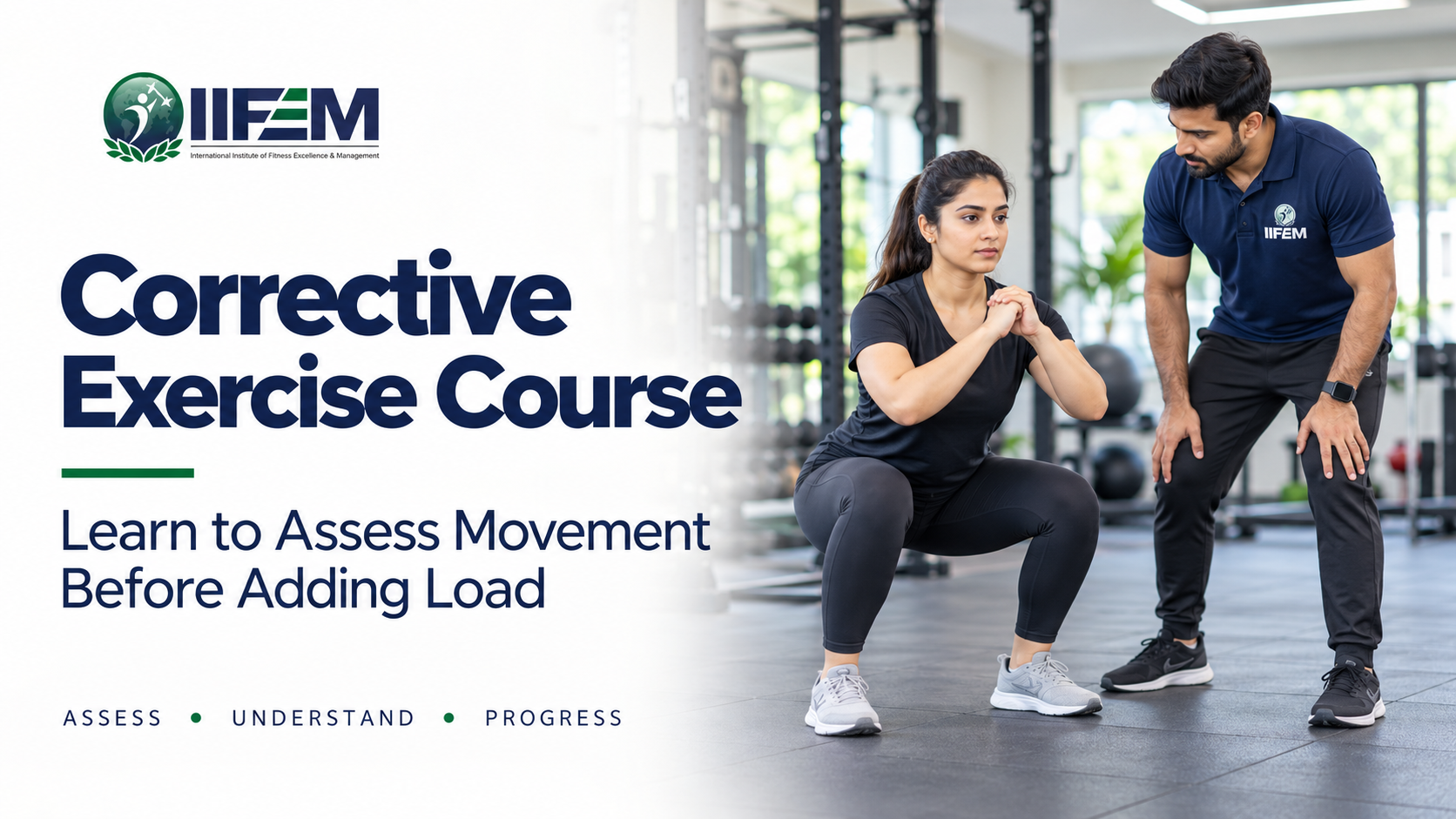
Corrective Exercise ... Read more
October 15,2026